How I Built a Local SEO Strategy for a Roofing Company in Nottingham, UK
How I optimized a Nottingham roofing company's Google Business Profile and website, and what the tracking data showed after six months.
Read the guide →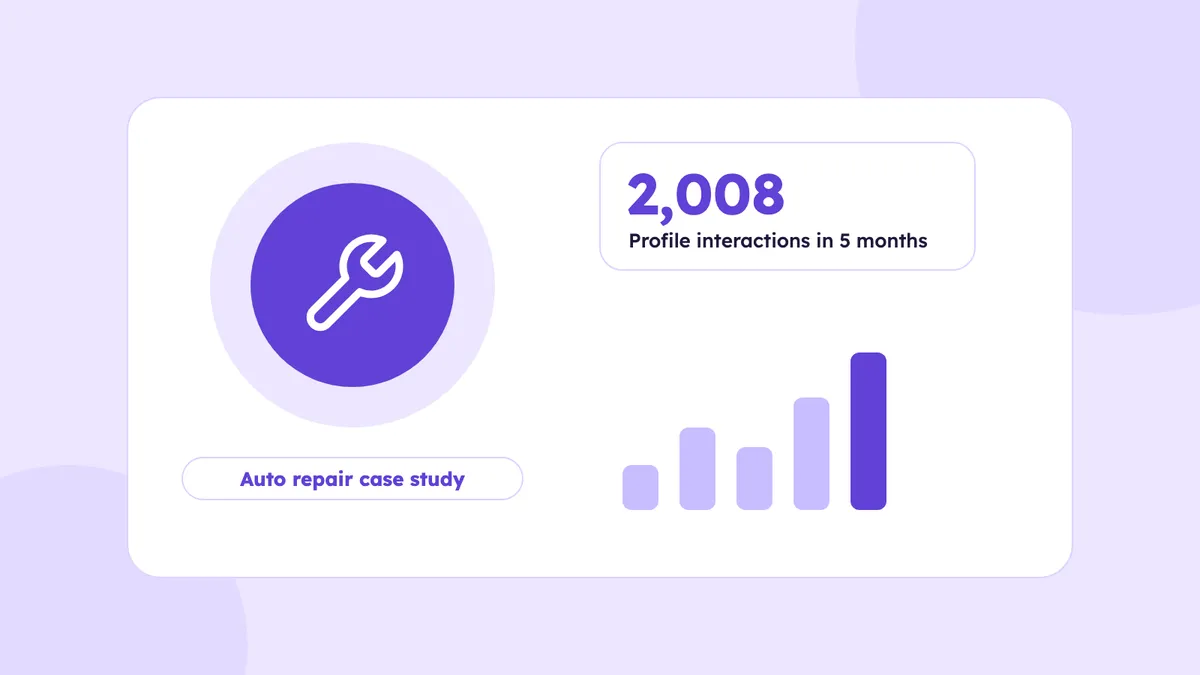
Most business owners ignore calls from people they do not know. This one did not.
I contacted an auto repair shop in Manchester, UK, by cold call. There was no referral and no introduction. I explained the problems I had noticed with the shop's online presence and how I could help fix them. The owner gave me a chance, and five months later the data was worth sharing.
This case study covers what I found, what I changed and what the numbers show and do not show. The client's name is kept private, and the figures come from the Google Business Profile and Google Search Console.
The shop had good reviews. That is a strong start, but it is not enough on its own.
Google says local results are mainly based on three things, which it describes in its guide to improving your local ranking:
The shop had a good reputation, which helps with prominence. But there was room to improve its relevance, its website SEO and its wider online presence.
Business categories. I reviewed the primary category and corrected it so it matched the auto repair services the shop actually offered.
Keyword research and description. I researched how people in Manchester search for car repairs, servicing and MOT services. Then I improved the business description so it described those services in natural language, without stuffing in keywords.
Photos. I added real photos of the workshop, the team and work in progress. They give a customer a better idea of what the business is like before they call.
Regular posts. I published updates about offers, services and useful reminders, so customers stay informed.
Common questions. I looked at what customers usually ask about services, opening hours and walk ins, and made sure the answers were easy to find on the profile.
Attributes. I checked the attributes that were available and filled in the relevant ones, so the profile was more complete.
Reviews. I helped the shop focus on genuine reviews from customers after their visits, and on replying to feedback regularly. Our guide on how to get more Google reviews explains the approach.
On page SEO. I improved page titles, meta descriptions, headings and content, so each page matched the searches customers actually make.
Technical SEO. I worked on speed, mobile use and structured data. This helps search engines understand the site and gives visitors a better experience. Our technical SEO checklist covers the basics.
Off page SEO. I worked on relevant backlinks and local citations to support the authority of the website and its local visibility.
Looking back, three things made the conversation easier.
Cold outreach will not always work, and many people will not reply. But a short message about a real, visible problem is easier to say yes to than a long sales message.
| Measure | Period | Result |
|---|---|---|
| Total Business Profile interactions | 5 months | 2,008 |
| Calls from the Business Profile | 5 months | 270 |
| Organic clicks from Google Search | 28 days | 193 |
| Impressions in Google Search | 28 days | 15,200 |
| Average position in Google Search | 28 days | 13.4 |
The numbers show that the shop was visible in Google Search and that customers were interacting with its profile. An average position of 13.4 means the site was appearing around the top of page two on average.
Reviews matter, but a business also needs accurate information, relevant services, a well optimized website and a strong presence across the web. Our Google Maps SEO service covers the profile side of this.
Both help customers find your business and learn more about it. If the profile says one thing and the website says another, you lose trust, and if only one is strong, you lose the people who start on the other.
Local SEO is a set of improvements made over time. A complete plan is more useful than chasing one ranking factor on its own. Our guide on how to show up in the map pack shows how the pieces fit together.
Sometimes a clear conversation about a real business problem is enough to open the door. This project started with a single cold call, and it turned into five months of work.
The same pieces apply in Houston, where competition is strong and the area is very large.
For more examples, see our roofing case study from Nottingham and our HVAC case study.
No. This auto repair shop is in Manchester, UK. The approach is the same one I use for Houston businesses, but local rules, competition and search habits differ by market.
No. The cold call only started the conversation. The results came from the work on the profile and the website over five months.
The Business Profile figures cover five months. Local SEO usually needs several months of steady work before the numbers settle.
No. Every business, market and starting point is different, and no one controls Google. I can look at your profile and website and tell you what I would fix first.
In the UK, an MOT is the yearly test that checks whether a vehicle meets road safety and environmental standards. Customers in Manchester search for it often, which is why it appeared in the research. A Houston shop would research its own local terms, such as state inspection or oil change.
No. The client's name is kept private. The figures come from the shop's own Business Profile and Search Console data.
How I optimized a Nottingham roofing company's Google Business Profile and website, and what the tracking data showed after six months.
Read the guide →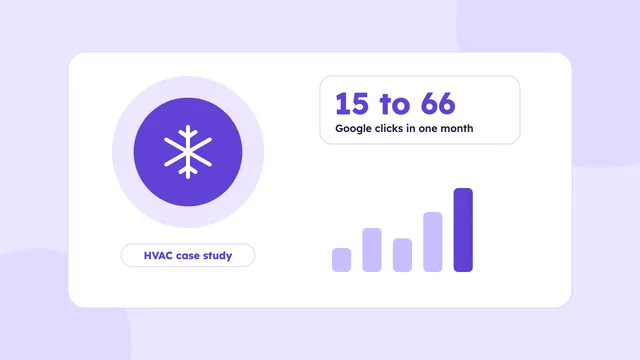
A Houston HVAC company went from 15 to 66 Google clicks in a month. Here is what the audit found, what we fixed and what the numbers do and do not show.
Read the guide →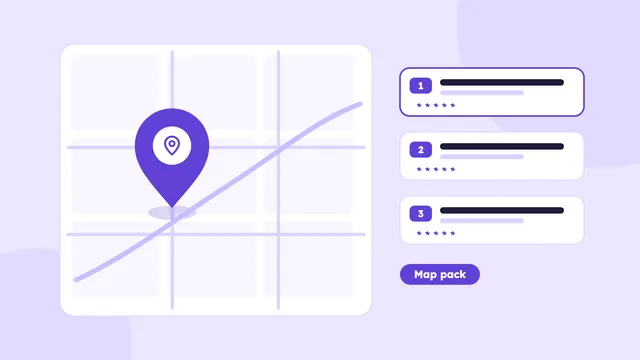
How Google picks the three businesses in the map pack, and the steps that improve your chances in Houston, from profile setup to reviews and tracking.
Read the guide →We’ll check your website, your Google Business Profile and how AI tools describe your business. You’ll get a short video with what to fix first, within 3 business days.
Basic plan starts at $500/month · See pricing