How Much Does SEO Cost in Houston?
What Houston SEO costs, what changes the price, what you get at each level, and the red flags to check for before you sign a contract.
Read the guide →
Say you ask three SEO providers for a quote. One wants $300 a month, one wants $1,200 and the third sends a 20-page document with a price you have to read twice. Each of them says they will "get you to page one". It is hard to tell who is good, because the early part of SEO looks the same from outside: reports, meetings and a promise that results are coming.
This guide is meant to help you sort that out. It covers what a consultant should actually do, what to ask before you sign, how to read a proposal, and which answers are a reason to say no. I run SEO Kettle, so I am not neutral. But the checklist below works on me as well, and I would rather you use it than hire anyone blindly.
These words get mixed up, so here is how they differ in practice.
For most small and mid-size Houston businesses, a consultant or a small agency fits best. The point is to know who will do the work, not what the company calls itself.
Before you talk to anyone, write down a few things. It will make every conversation more honest.
If you cannot answer the last one, fix that first. You should own all of these, and any consultant you hire should work inside your accounts, not theirs.
Ask for a plain description of the work. A good consultant can explain the work in terms you understand. Over the first few months, expect them to cover:
You can see how we handle this on our SEO consultant page and on the pricing page.
You do not need to be technical to tell a good answer from a weak one.
"What exactly will you do each month?" Good: a clear list, such as "two pages written, the Google profile updated, citations cleaned, a report on the 5th". Weak: "ongoing optimization" or "we do everything".
"Who does the work?" Good: a name and a role. Weak: an answer that avoids the question, or work that is passed to someone you will never meet without telling you.
"Can I see your own results or a reference?" Good: examples of their work with permission, a client who will talk to you, or an honest "I cannot share names, but here is what I can show". Weak: screenshots with no context or numbers that cannot be checked.
"How will you know it is working?" Good: calls, leads, booked jobs, with rankings as one signal. Weak: only rankings or traffic.
"What would you not do?" Good: a clear list, such as buying links, using fake reviews or promising rankings. Weak: "anything that works".
"Do I own the accounts and the content?" Good: yes, always. Weak: anything else.
"What is the contract, and how do I leave?" Good: month-to-month or a short initial term. Weak: a long lock-in with penalties.
"How do you handle Google Business Profile and reviews?" Good: a specific process that follows Google's rules. Weak: "we get you reviews".
Most of these are known, but they show up in proposals every week.
Read it for four things.
If two proposals look the same but one is half the price, ask what the cheaper one leaves out. It may be a smaller scope, which can be fair, or a template.
A consultant who sells SEO should be able to show some of it.
Ask how often you will talk and how fast they reply. Ask about time zones and availability if the consultant is not in your city, and agree on a time that works for you, since a quick call is often better than a long email. A consultant who is easy to reach and open about how they work is worth more than one with a longer list of services.
Be realistic. Month one is mostly setup and fixes. Month two brings new and improved pages and local work. By month three you should see early signs, such as more impressions, more profile views and the first movement on target searches, and you should be able to see the plan for the next quarter. Leads usually follow, but timing depends on your competition and your site. Ask for a short review at 30, 60 and 90 days, and decide at each point whether the work matches what was promised.
It varies with scope and competition. Monthly plans commonly start in the hundreds and go into the thousands, with one-time audits priced separately. Compare what is delivered, not only the price.
A consultant gives you direct access to a senior person. An agency gives you a team and a process. Choose based on who will do the work and how much support you need.
Not always, but you should ask why. Good providers usually do not need a long lock-in, and month-to-month is common.
Often a few months before you see steady movement, and longer in competitive markets. Anyone who promises a specific result by a date is guessing.
Yes. A one-time audit with a plan is a good way to test how someone works before committing to monthly work.
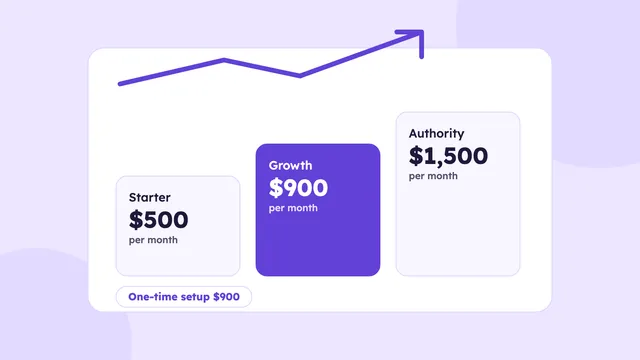
What Houston SEO costs, what changes the price, what you get at each level, and the red flags to check for before you sign a contract.
Read the guide →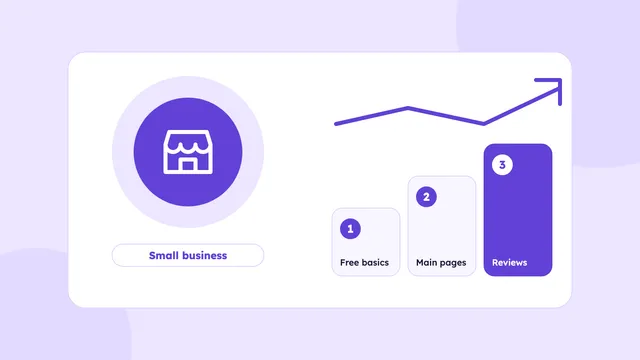
A simple plan for Houston small businesses with a small SEO budget: what to do first, what to skip, what you can do yourself and what is worth paying for.
Read the guide →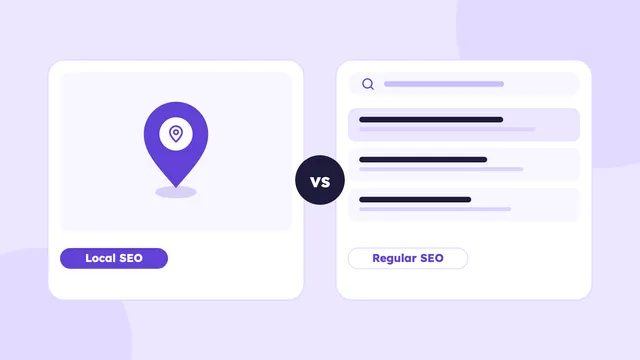
Local SEO and regular SEO aim at different searches. Here is how they differ, which one your Houston business needs, and where to start.
Read the guide →We’ll check your website, your Google Business Profile and how AI tools describe your business. You’ll get a short video with what to fix first, within 3 business days.
Basic plan starts at $500/month · See pricing